गुरुः
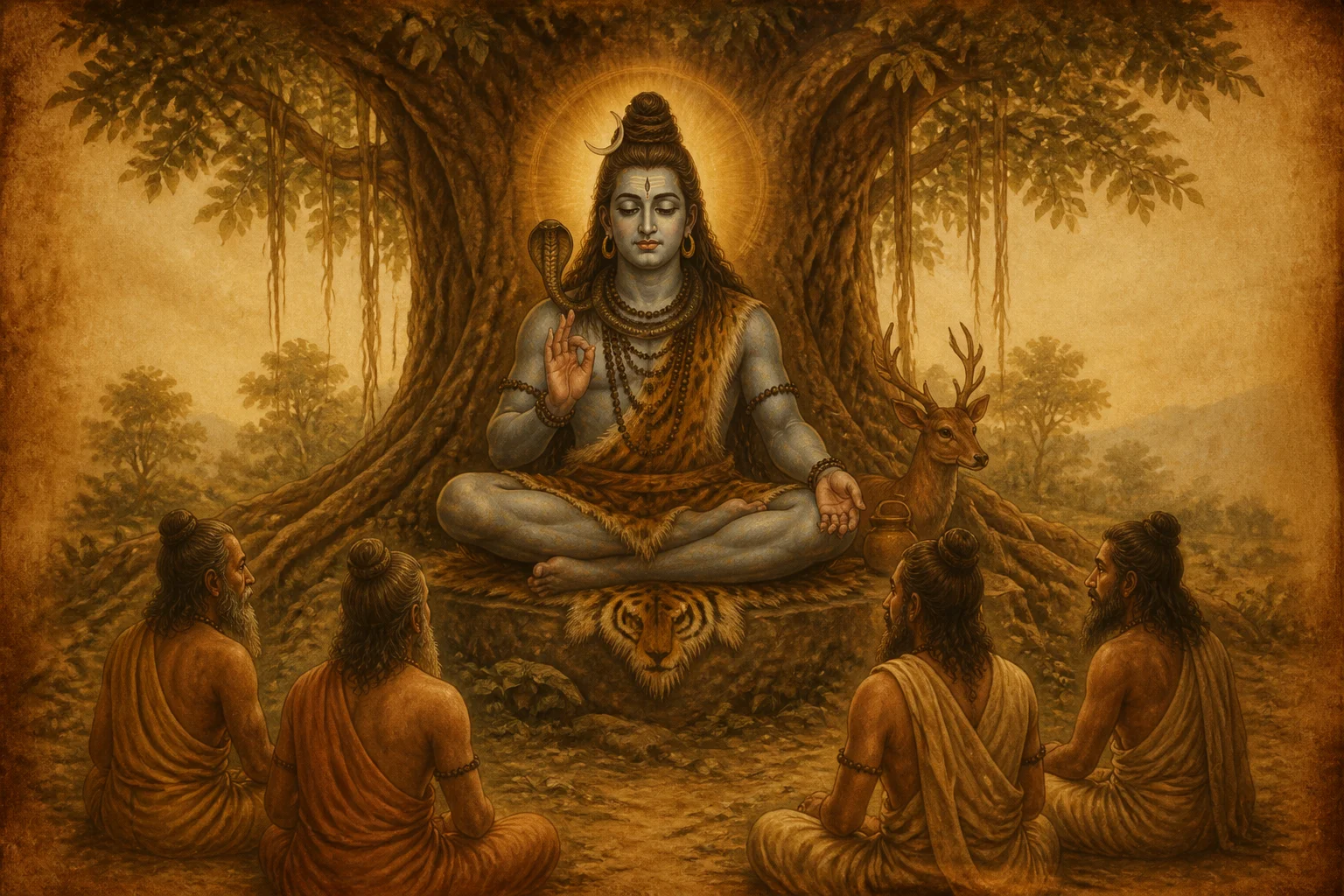
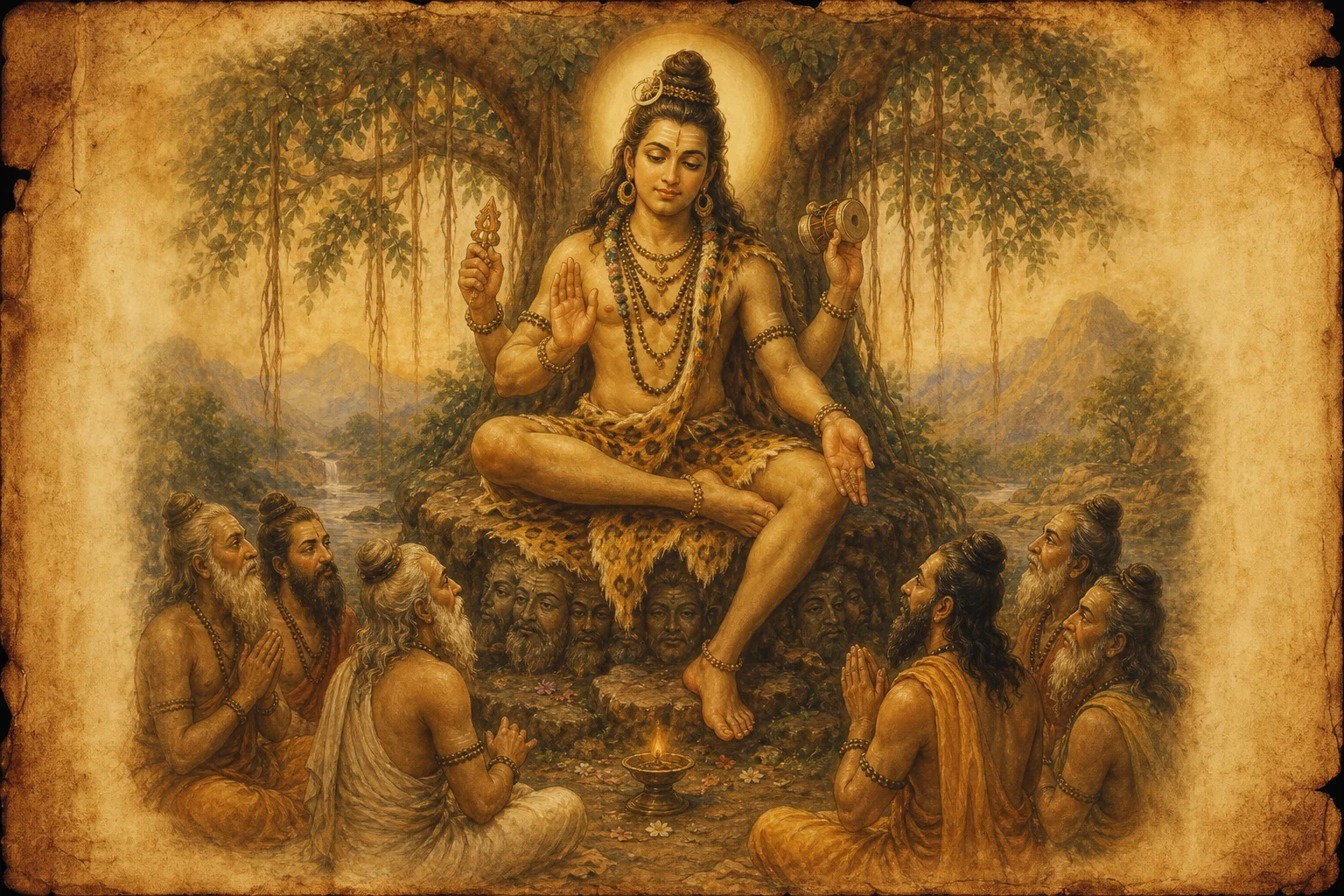
Guru and Dakshinamurti
The silent teacher who reveals the Self
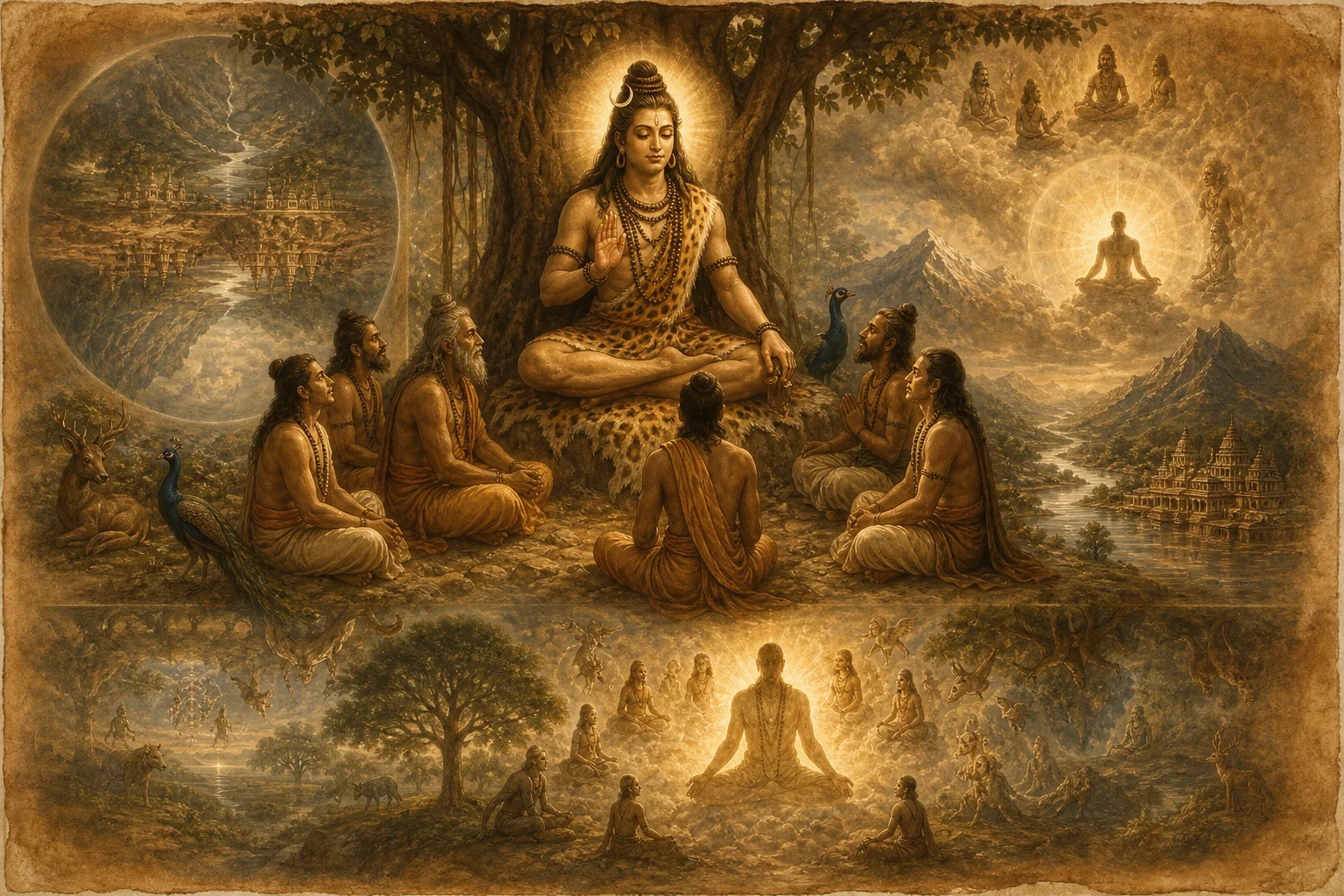
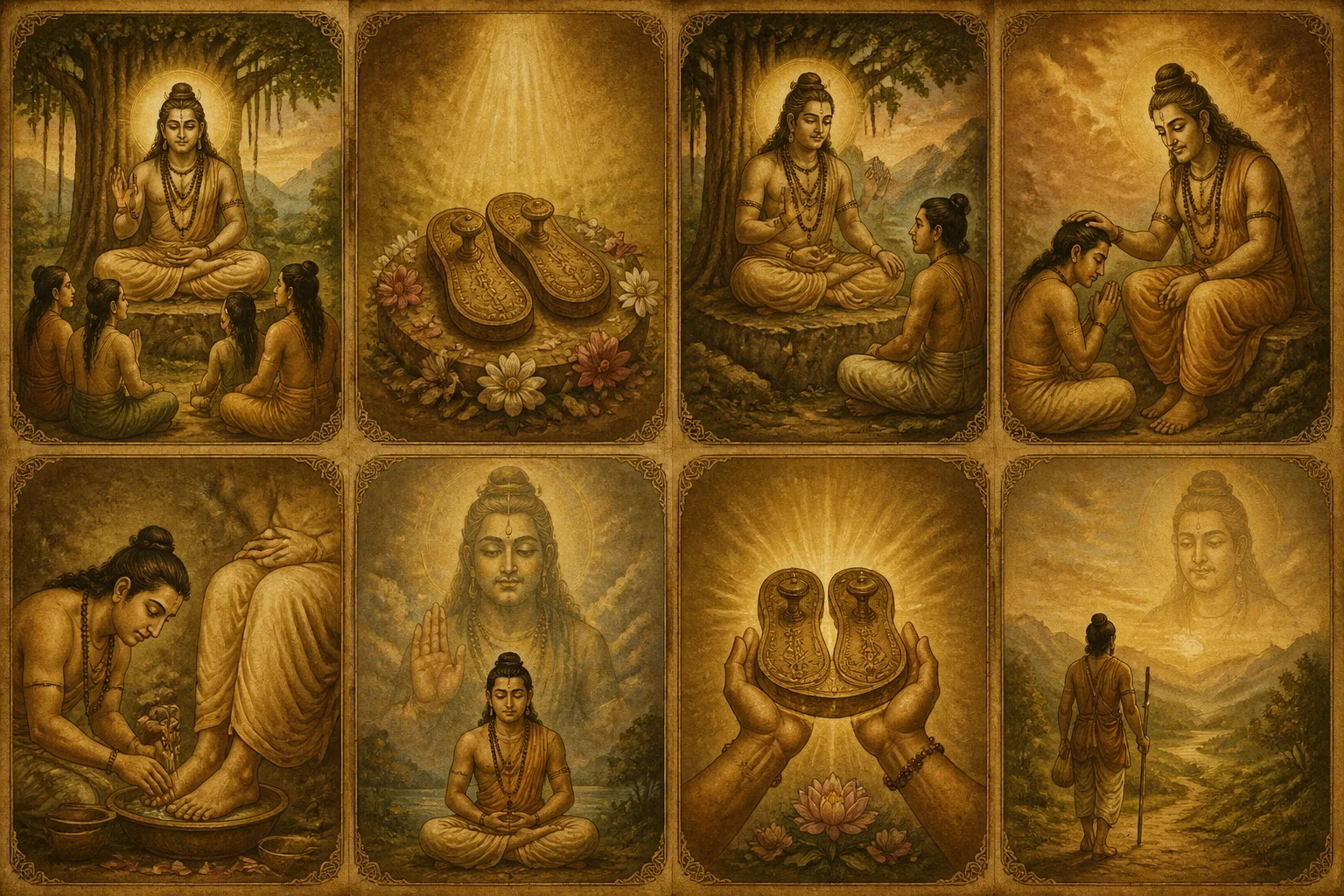
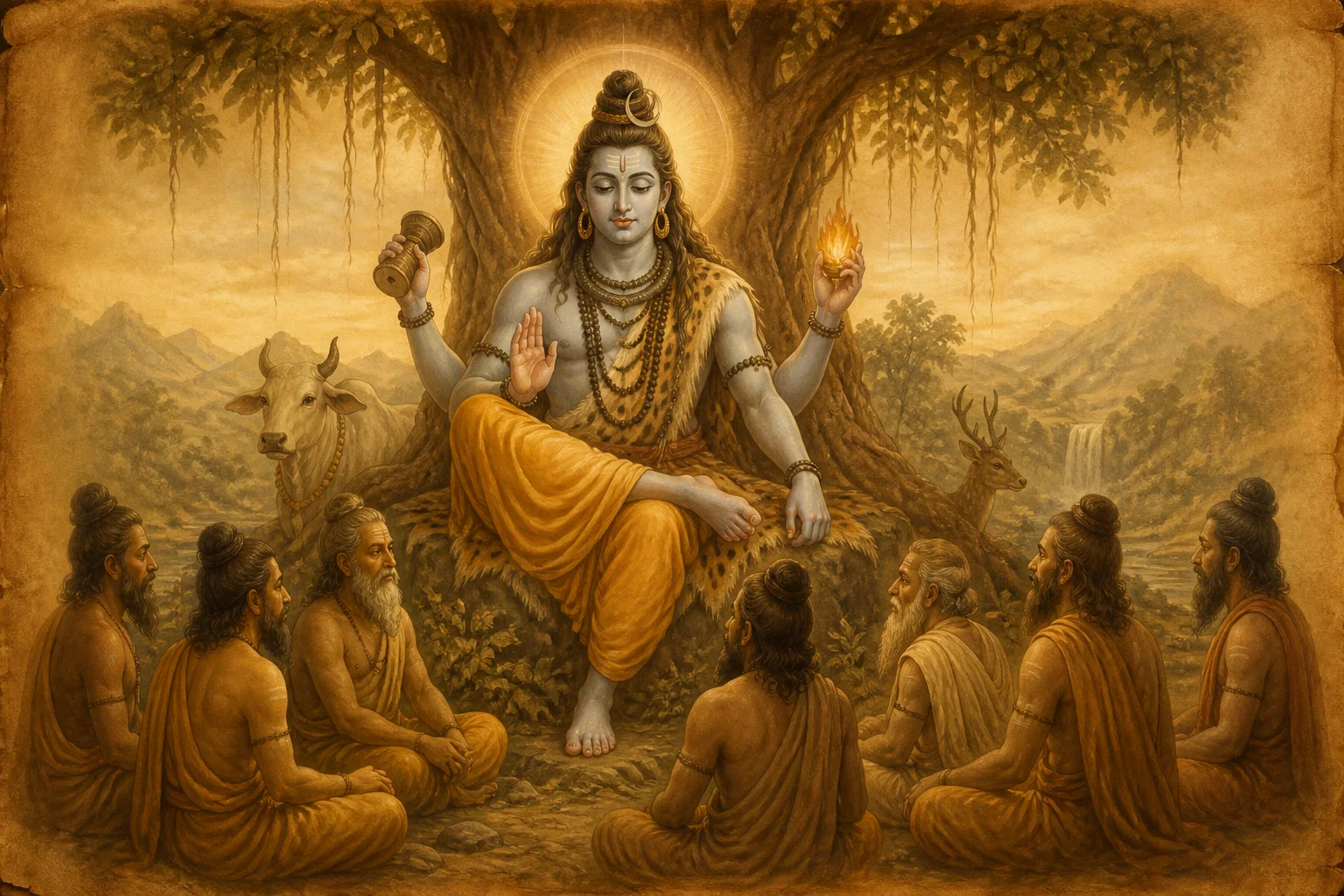
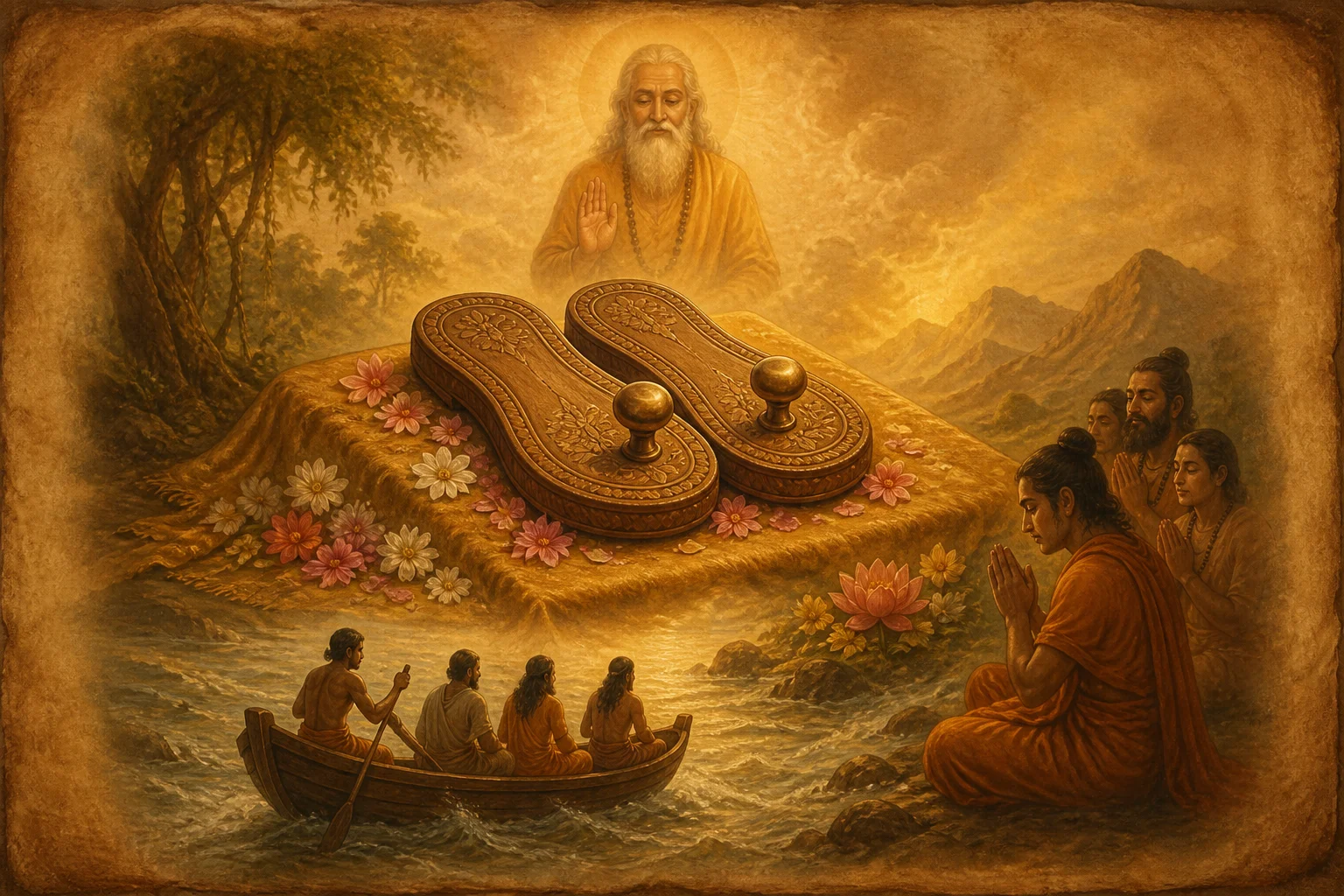
Guru stotras honour Dakshinamurti, the south-facing form of Shiva as supreme teacher, and the guru's sandals as the visible sign of grace. Gurvashtakam teaches that liberation flows through reverent discipleship, inner silence, and the recognition that the guru's presence turns the mind toward the Self.
Dakshinamurti Ashtakam and Dakshinamurti Stotram are among the most studied philosophical hymns in the Shankara corpus. Guru Paduka Stotram offers intimate praise of the sandals that symbolize the feet of the teacher. Together these works frame knowledge not as information alone but as awakening transmitted through grace and discipline.
Begin with Dakshinamurti Ashtakam if you want a compact philosophical hymn, or Gurvashtakam for eight verses on guru bhakti.
Stotras (5)
How to read this collection
Start here
- Gurvashtakam - Eight verses on discipleship; ideal for Guru Purnima.
- Dakshinamurti Ashtakam - Core eight verses on the silent guru form of Shiva.
- Guru Paduka Stotram - Nine verses adoring the Guru's sandals as grace made visible.
Beginner reading order
- Gurvashtakam (8 verses)
- Dakshinamurti Ashtakam (8 verses)
Further reading
- Dakshinamurti Stotram (10 verses)
- Guru Paduka Stotram (9 verses)
- Dakshinamurti Varnamala Stotram (25 verses)
Festival connections
Devotees often turn to these hymns around Guru Purnima, Thursdays in some lineages. Daily practice need not wait for a festival; regular recitation with attention matters more than a single crowded session.
See also: Collection study guide